

Introduction
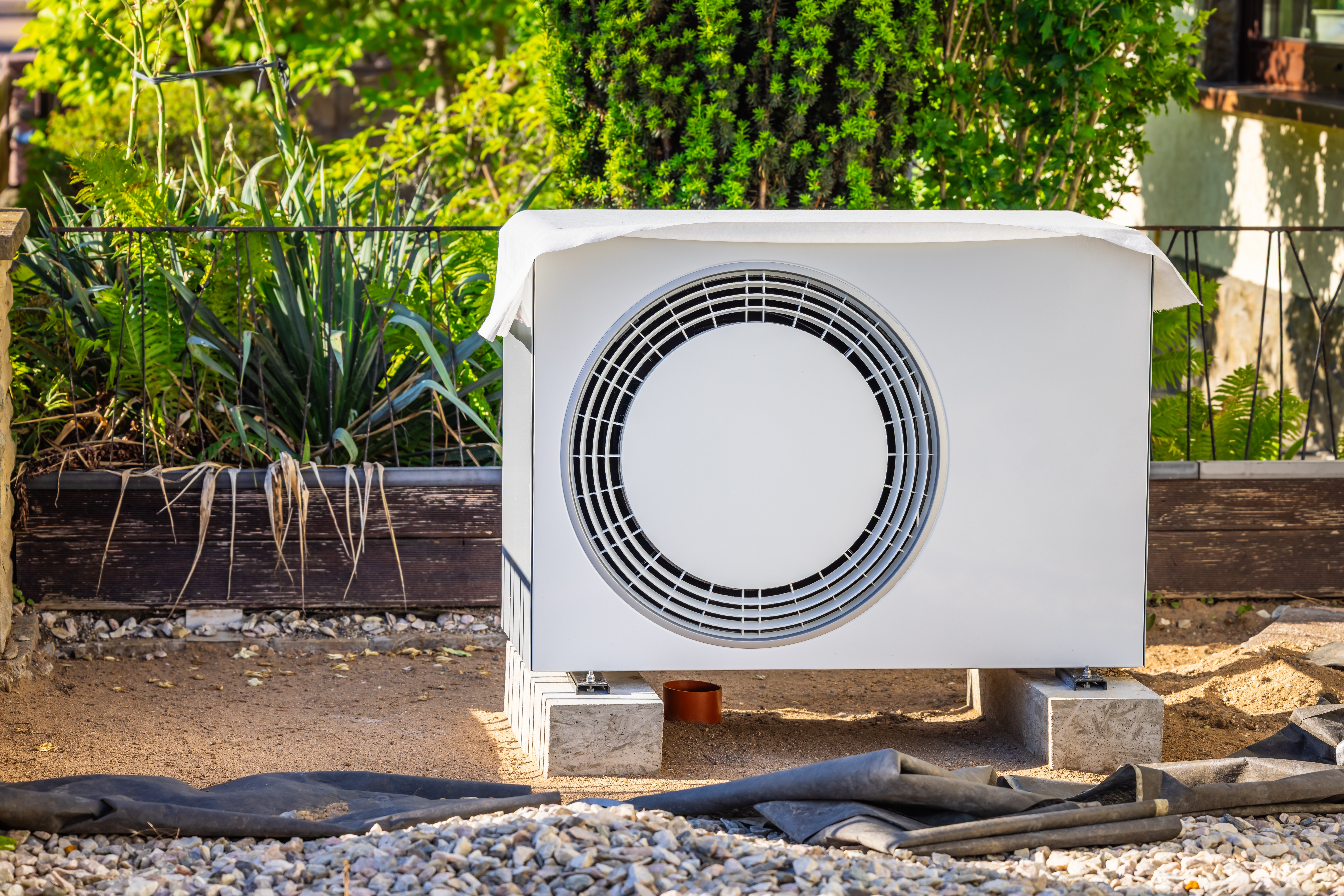
Keeping the indoor environment, particularly in the United States, maintained at a comfortable humidity level is vital for health and comfort. High levels of moisture in the environment tend to promote mold growth, damage wood, and create an uncomfortable indoor environment. Heat pumps in Lake Zurich, IL, offer the ideal solution to the dual problems of high and low temperatures by reducing the high moisture content in the environment.
The design of new heat transfer appliances accounts for dynamic changes in airflow and temperature. Analysis from Aaron & Trecker Heating & Air Conditioning highlights the benefits of eliminating warm, moist air and refreshing the house with cooler, drier air. The new systems enable homeowners to enjoy reduced stickiness and moisture in the house, especially during summer. An understanding of heat transfer unit control and moisture in HVAC systems is valuable to homeowners who want to get the most out of such systems.
Balanced comfort with better indoor humidity
1. Remove Moisture From A Heat Pump
Heat pumps transfer heat energy from one place to another. As warm air passes through the heat pumps, the moisture it contains condenses on the cool coils, reducing indoor humidity. This dehumidifying effect is useful because it regulates humidity levels to a comfortable range of 40 to 60 percent.
Technicians are also responsible for draining condensate to prevent water puddling in the system. Regular checks of the coils and drainage pipes are critical to ensure the heat pump’s efficiency and to detect potential water-related problems. A house with a well-functioning heat pump will experience better indoor air and a more pleasant environment.
2. Effect On The Overall Indoor Comfort
Humidity levels also contribute to the sensation of higher or lower temperatures. Warmer air, for instance, can sometimes feel hotter when it is more humid, while cooler air can also feel more chilling when it is less humid. Heat pumps help mitigate such conditions by controlling not only temperatures but also humidity levels.
By keeping humidity levels balanced, heat pumps can control sweating, clamminess, and cold air currents. They can further provide better indoor air for breathing. This is particularly beneficial for people who might be allergic to airborne particles. Houses with well-aligned heat pump systems will experience improvement.
3. Energy Efficiency And Moisture Protection
Heat pumps handle humidity effectively and use less energy than many conventional methods. Dehumidification is incorporated into the standard heat transfer process. The process ensures that the extra energy required is negligible. Therefore, the equipment achieves favorable indoor conditions.
Regular system checks and calibration can maintain energy efficiency. This is because various parts, such as the compressor, fan, and refrigerant lines, coordinate to effectively control temperature and moisture levels. Overuse will also be reduced, thereby increasing the lifespan of the heat pump system.
4. Integration With Existing Heating Systems
In other homes, the heat pump may be set up to work together with the conventional furnace or the heating unit. For instance, during a furnace installation in Barrington, IL, the heat pump can be set up to function together with the furnace. This configuration ensures the home is well-heated while maintaining the home’s humidity level.
The technicians assess airflow, thermostat operation, and ducts during the integration process. This optimally functions by avoiding discrepancies in humidity or temperature. The residents will enjoy an integrated heating and cooling system addressing both temperature and humidity issues.
5. Maintenance For Optimal Humidity Management
Maintenance is important to ensure effective humidity control. This is because coils need to be cleaned, lines need to be unobstructed, and refrigerant levels need to be optimal. Therefore, a lack of maintenance could result in inefficient moisture removal. Maintenance personnel examine parts for deterioration and make adjustments accordingly.
By keeping the system in optimal condition, residential owners can enjoy effective humidity control and increased energy efficiency. Maintained systems also help prevent expensive repairs. A maintenance-focused strategy helps in preserving system functionality.
Upgrade your heat pump now with us for optimal humidity control and comfort!
Conclusion
Heat pumps provide an efficient means of humidity control with a consistent temperature. The removal of excess humidity is an important factor for enhanced comfort, health, and the sustainability of property. The integration of heat pump technologies with other heating systems further optimizes indoor climate control. Such energy efficiencies reduce system workload. The system requires regular maintenance to operate at its optimal potential.
FAQs
1. What methods are used by heat pumps to regulate humidity?
Heat pumps work by removing moisture from the air as it passes through the system, causing the water to condense on the coils and regulating the relative humidity to a comfortable level.
2. Are heat pumps compatible with existing heating systems?
Of course, these models can be combined with conventional furnaces or additional heating sources so that their operations can be synchronized with temperatures and humidity.
CTA:
Control indoor humidity effectively with skilled and certified technicians at Aaron & Trecker Heating & Air Conditioning. Learn about furnace maintenance costs in Lake Zurich, IL. Call us at 847-540-9585 today to book your schedule!
📍 Providing service throughout Lake Zurich, IL and nearby areas: