Furnace Services: A Complete Homeowner’s Guide to Safe, Efficient Home Heating

When the winter season hits, your heating unit becomes one of the most important systems in your home. It works quietly behind walls and ceilings, but the moment it stops working, the impact is immediate. Cold rooms, rising energy bills, safety concerns, and stress can all follow very quickly.
This guide is designed to help homeowners truly understand their furnace, not just what it does, but why maintenance matters, how problems develop, and when professional service makes the biggest difference. Written from a homeowner’s perspective and backed by professional HVAC expertise, this resource answers real questions people search for when trying to protect their comfort and investment.
What Is a Furnace?
A furnace is a central heating system that produces heat and distributes it evenly throughout your home using ductwork and vents. Unlike space heaters, which only warm a single room, a furnace provides whole-home comfort by maintaining consistent temperatures across all living spaces.
At its core, a furnace is responsible for:
- Generating heat safely using gas, electricity, or oil.
- Circulating warm air through ducts to every room.
- Maintaining stable indoor temperatures, even during extreme cold.
- Supporting indoor air quality by moving air through filtration.
For many homeowners, the furnace is out of sight and out of mind – until something goes wrong. Understanding what it does helps you recognize why proper care is so important, especially in colder regions where heating isn’t optional but essential.
Beyond simply producing heat, a furnace plays a key role in protecting your home during colder months. Consistent heating helps prevent frozen pipes, reduces excess indoor moisture, and supports overall indoor comfort. For many homeowners, especially in older properties, the furnace is also closely tied to the home’s air circulation and filtration process.
Because furnaces operate for long stretches during winter, even small inefficiencies can quickly turn into higher utility costs. Understanding what a furnace does helps homeowners appreciate why professional service isn’t optional; it’s preventive home care.
How Does a Furnace Work?
A furnace operates through a carefully controlled cycle designed to deliver heat efficiently and safely. Everything begins with your thermostat. When indoor temperatures drop below your set level, the thermostat sends a signal to the furnace to start heating.
Here’s how that process unfolds:
- Thermostat activation tells the furnace to begin heating.
- Fuel ignition or heating elements generate heat.
- The heat exchanger warms up, safely transferring heat to the air.
- The blower motor pushes air across the heat exchanger.
- Warm air travels through ductwork into living spaces.
- Exhaust gases are vented outside, keeping indoor air safe.
If any part of this process is disrupted, such as restricted airflow, ignition failure, or electrical issues, the furnace may struggle to heat properly or shut down entirely for safety reasons.
While the heating cycle may seem simple, modern furnaces rely on precise timing and safety controls. Sensors monitor temperature, airflow, and ignition to ensure heat is delivered safely. If any step in the process is disrupted, the system may shut down automatically to prevent damage or safety risks.
This is why furnaces that appear to “randomly stop working” are often responding to underlying issues such as restricted airflow or failing sensors rather than complete system failure.
Call Aaron & Trecker today at +1 847-865-8170 IN LAKE ZURICH & THE NORTHWEST SUBURBS! and enjoy fast, accurate service!
The Role of the Furnace in Your Home’s Heating System
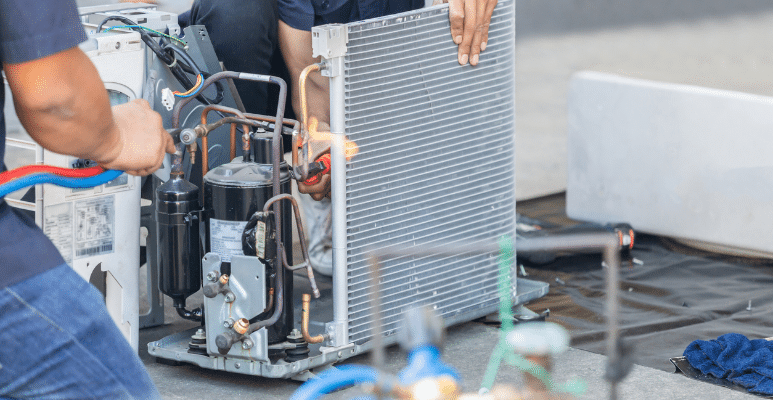
Your furnace doesn’t operate in isolation. It acts as the heart of your home’s entire heating system, coordinating with ductwork, vents, thermostats, and air filters to maintain comfort.
A well-functioning furnace:
Distributes heat evenly without hot or cold spots
When your furnace is doing its job properly, you shouldn’t have to avoid certain rooms because they feel colder or warmer than the rest of the house. A healthy system moves warm air evenly, so every space feels comfortable instead of unpredictable.
Maintains steady temperatures throughout the day and night
A well-functioning furnace keeps your home at a consistent temperature without constantly turning on and off. That steady performance means fewer temperature swings, better comfort while you sleep, and less stress on the system overall.
Reduces strain on other HVAC components
When the furnace runs efficiently, it doesn’t force other parts of your HVAC system to work overtime. That balance helps components last longer, reduces the chance of surprise breakdowns, and keeps everything running smoothly together.
Helps protect plumbing and structural elements from freezing
Consistent heat does more than keep you warm. It helps prevent pipes from freezing and reduces cold-related stress on walls, floors, and framing. In colder weather, that steady warmth can help you avoid costly water damage and repairs.
When a furnace is neglected, homeowners often notice uneven heating, excessive dryness, noisy operation, and higher utility bills. Professional service restores balance and keeps everything working together smoothly.
Your furnace works in coordination with ductwork, vents, insulation, and thermostats. If one of these supporting elements is compromised, even a high-quality furnace can struggle. Poor insulation, for example, forces the furnace to work harder, increasing wear and shortening its lifespan.
Professional HVAC technicians assess the furnace as part of the whole system, ensuring balanced airflow and efficient heat delivery throughout the home.
Types of Furnaces: Gas, Electric, and Oil
Not all furnaces are the same. The type of furnace in your home affects operating costs, maintenance needs, and performance in cold weather.
Gas Furnaces
Gas furnaces are widely used due to their powerful heating capabilities.
- They heat quickly, making them ideal for colder climates.
- Natural gas is often more affordable than electricity.
- Regular safety inspections are critical due to combustion.
Electric Furnaces
Electric furnaces rely on heating elements rather than combustion.
- Lower upfront installation costs.
- Fewer safety concerns related to fuel.
- Can be more expensive to operate in cold regions.
Oil Furnaces
Oil furnaces are typically found in older homes.
- Produce strong, steady heat.
- Require regular cleaning and fuel delivery.
- Less energy-efficient compared to newer systems.
Furnace Type Comparison Chart
Furnace Type | Heating Strength | Operating Cost | Maintenance Needs | Best For |
Gas | High | Moderate | Annual safety checks | Cold climates |
Electric | Moderate | Higher | Lower | Mild winters |
Oil | High | High | Frequent | Older homes |
Each furnace type also responds differently to long-term use. Gas furnaces require careful combustion monitoring, while electric furnaces rely heavily on consistent electrical performance. Oil furnaces, though powerful, demand frequent cleaning to maintain efficiency.
Choosing the right furnace type is as much about long-term operating costs and maintenance expectations as it is about upfront installation price.
Key Components of a Furnace
A furnace relies on multiple parts working together. When one component begins to fail, it often affects overall performance.
Important components include:
- The thermostat, which controls heating cycles and temperature accuracy.
- Burners or heating elements, where heat is produced.
- A heat exchanger, which transfers heat safely to the air.
- Blower motor, responsible for air circulation.
- Air filter, trapping dust and debris.
- Ignition system, starting the heating process.
- Vent or flue, removing exhaust gases.
Professional technicians inspect how these parts interact, not just individual components.
Many furnace breakdowns begin with small component failures that go unnoticed. A dirty air filter can strain the blower motor, while a malfunctioning ignition system can prevent the furnace from starting at all.
Routine inspections ensure that each component supports the others, rather than creating hidden stress points within the system.
Why Furnace Maintenance Is Important
Routine furnace maintenance is preventative care that protects your home, your budget, and your family’s safety.
Regular service:
- Identifies small issues before they become major failures.
- Improves efficiency, lowering monthly heating costs.
- Extends the lifespan of the furnace.
- Reduces the risk of carbon monoxide exposure.
- Maintains consistent comfort throughout the home.
Homeowners who schedule annual service typically experience fewer breakdowns and longer system life. Furnace maintenance is as much about safety as it is about comfort. Cracked heat exchangers, loose electrical connections, or improper venting can pose serious risks if left undetected.
Regular maintenance often results in quieter operation, steadier temperatures, and greater peace of mind throughout the heating season.
How Often Should You Service Your Furnace?
Annual furnace service is especially important for homes with older systems, pets, or higher indoor dust levels. These factors increase strain on filters and internal components, accelerating wear.
Scheduling service before winter ensures that repairs can be addressed proactively rather than during emergency breakdowns on the coldest days. Most furnaces should be serviced once per year, ideally before winter begins. This ensures the system is prepared for months of continuous use.
Annual service is especially important because:
- Furnaces sit idle during warmer months.
- Dust and wear accumulate unnoticed.
- Winter places heavy demand on heating components.
Older systems or homes with high heating needs may benefit from more frequent inspections.
Signs Your Furnace Needs Professional Service
Some furnace issues develop gradually. A slight temperature imbalance or mild increase in energy bills may seem insignificant at first, but it often signals declining efficiency.
Addressing these early signs allows technicians to restore performance before components fail completely. Furnaces often show warning signs before failing completely.
Watch for:
- Uneven heating between rooms.
- Strange noises like banging or rattling.
- Rising energy bills with no usage changes.
- Short cycling (frequent on/off operation).
- Weak airflow from vents.
- Burning or musty odors.
Addressing these signs early can prevent emergency repairs.
What Happens During a Professional Furnace Service Visit?
A professional service visit is a detailed inspection designed to ensure safe and efficient operation. Professional service goes beyond cleaning. Technicians test system performance under operating conditions, verify safety shutoffs, and ensure the furnace meets manufacturer specifications.
This level of evaluation cannot be replicated through DIY maintenance alone.
Technicians typically:
Inspect the heat exchanger for cracks
The heat exchanger separates combustion gases from the air circulating through your home. Technicians carefully inspect it for cracks or corrosion because damage here can lead to dangerous carbon monoxide leaks and reduced heating efficiency.
Clean burners and ignition components
Dirty burners or ignition parts can prevent the furnace from lighting properly or cause uneven heating. Cleaning these components ensures smooth startups, consistent heat, and reliable operation throughout the winter.
Test safety switches and controls
Safety switches are designed to shut the system down if something goes wrong. Technicians test these controls to confirm your furnace will respond correctly to overheating, airflow issues, or electrical faults.
Measure airflow and blower performance
Proper airflow is essential for even heating and system longevity. Measuring blower performance helps ensure warm air is moving efficiently through your ductwork without placing extra strain on the furnace.
Check electrical connections
Loose or worn electrical connections can cause system failures or unsafe operation. Technicians tighten and inspect wiring to reduce the risk of breakdowns and improve overall system reliability.
Replace or clean air filters
Clean filters allow air to flow freely while trapping dust and allergens. Replacing or cleaning them improves indoor air quality, supports better heating performance, and helps extend the life of your furnace.
This thorough process helps ensure reliability throughout the heating season.
Common Furnace Problems and How Professionals Fix Them
Many homeowners assume furnace problems are electrical or mechanical failures, but airflow issues are among the most common causes. Dirty filters, blocked vents, and duct leaks all reduce heating effectiveness.
Professionals diagnose the root cause rather than applying temporary fixes. Over time, normal wear can lead to issues such as:
- Dirty filters restricting airflow.
- Worn ignition systems are causing startup failures.
- Blower motor problems are reducing circulation.
- Thermostat calibration errors.
Professional diagnosis ensures the correct issue is repaired, not just the symptoms.
DIY Furnace Care vs Professional Service
Homeowners can handle simple tasks, but internal repairs should always be left to professionals. While homeowner involvement helps extend system life, professional service ensures compliance with safety standards and manufacturer requirements.
Think of DIY care as daily upkeep and professional service as a full system health check.
What Homeowners Can Do
- Replace air filters regularly.
- Keep vents clear.
- Monitor thermostat settings.
What Professionals Should Handle
- Electrical repairs.
- Gas or combustion adjustments.
- Internal component replacement.
DIY vs Professional Comparison Chart
Task | DIY | Professional |
Filter replacement | ✔ | ✔ |
Thermostat check | ✔ | ✔ |
Heat exchanger inspection | ✖ | ✔ |
Ignition repair | ✖ | ✔ |
Furnace Repair vs Replacement: How to Decide
Choosing between repair and replacement depends on age, efficiency, and repair history.
Repair Is Often Best When:
- The furnace is under 10 years old.
- Repairs are infrequent.
- System efficiency remains acceptable.
Replacement Makes Sense When:
- The furnace is 15+ years old.
- Repairs are frequent or costly.
- Energy bills continue to rise.
Repair vs Replacement Comparison
Factor | Repair | Replacement |
Cost | Lower short-term | Higher upfront |
Efficiency | Same as current | Improved |
Reliability | Temporary | Long-term |
Comfort | Inconsistent | Improved |
Replacing a furnace is a long-term investment decision. Modern systems offer improved efficiency, quieter operation, and advanced safety features that older units may lack.
A professional assessment provides clarity, helping homeowners avoid unnecessary repairs or premature replacement.
Preparing Your Furnace for Winter
Preparation reduces stress on the system during peak demand. Homes that complete preseason service experience fewer breakdowns and more consistent heating during extreme cold.
Even a short delay in preparation can lead to uncomfortable disruptions when temperatures drop suddenly. Proper preparation reduces the risk of winter breakdowns.
Preparation includes:
Professional tune-up
A professional tune-up includes a full inspection and calibration of your furnace to ensure it’s running safely, efficiently, and reliably before heavy use. This process helps catch small issues early and improves overall performance during the heating season.
Filter replacement
Replacing the furnace filter keeps airflow unrestricted and helps maintain cleaner indoor air. A fresh filter reduces strain on the system, improves efficiency, and helps protect internal components from dust buildup.
Thermostat testing
Thermostat testing ensures your furnace responds accurately to temperature changes and shuts off when it should. Proper calibration helps maintain consistent comfort and prevents unnecessary energy use.
Airflow inspection
An airflow inspection checks that warm air is moving freely through ducts and vents without blockages or leaks. Balanced airflow helps eliminate cold spots, improves comfort, and prevents the furnace from overworking.
A prepared furnace runs more reliably when temperatures drop.
Why Homeowners Choose Aaron & Trecker Heating & Air Conditioning
Homeowners trust Aaron & Trecker because of:
Deep local experience
We’ve spent decades working in this community, which means we understand local winters, older home heating challenges, and the furnace systems commonly installed in this area. That experience allows us to diagnose problems faster and recommend solutions that actually fit local homes, not generic fixes. When we arrive, we’re not learning your environment—we already know it.
Licensed, trained technicians
Every technician on our team is fully licensed, professionally trained, and continually educated on modern furnace technology and safety standards. We invest in ongoing training so our team stays current with efficiency upgrades, diagnostic tools, and manufacturer requirements. When we service your furnace, you’re getting knowledgeable professionals, not guesswork.
Honest repair recommendations
We believe homeowners deserve clear answers, not pressure. That’s why we take time to explain what’s happening inside your furnace, what truly needs attention, and what can safely wait. Our recommendations are based on system condition, safety, and long-term value—not on selling unnecessary repairs or replacements.
Safety-focused service approach
Furnace service isn’t just about heat—it’s about protecting your home and family. We carefully inspect safety controls, heat exchangers, and venting systems to reduce risks like carbon monoxide exposure or electrical hazards. Every service visit is performed with safety as the top priority, not an afterthought.
Reliable scheduling and support
We respect your time and understand how disruptive heating issues can be. Our scheduling is dependable, communication is clear, and support doesn’t stop after the service call ends. When you contact us, you can expect responsive service and a team that stands behind its work long after the appointment is over.
Our goal is long-term comfort, not temporary fixes.
Local experience matters. Understanding regional weather patterns, housing styles, and common system issues allows technicians to deliver more effective, customized service.
Trust is built through consistent results, clear communication, and long-term customer relationships.
Conclusion
Your furnace is one of the most important systems in your home, especially during winter. Understanding how it works, recognizing warning signs, and scheduling regular professional service protect your comfort, safety, and energy efficiency. With proper care, your furnace can deliver dependable heating for many years, even in the coldest conditions.
Ensure reliable heating before winter arrives. Call Aaron & Trecker Heating & Air Conditioning at +1 847-865-8170 today to schedule professional furnace service and protect your home’s comfort.
FAQs
The local winters can be long and unpredictable, and that’s why your furnace should be professionally serviced once a year, ideally in early fall. Annual service ensures the system is safe, efficient, and ready before cold temperatures arrive, helping prevent breakdowns during peak heating season.
Warning signs include uneven heating, strange noises, frequent cycling, rising energy bills, or difficulty maintaining a steady temperature. If your furnace is older or hasn’t been serviced recently, these issues often mean it’s time to call a professional before a minor problem turns into a costly repair.
If your furnace is under 10 years old and the issue is minor, repairs are usually the best option. However, furnaces over 15 years old that require frequent repairs or struggle with efficiency often cost more to maintain than to replace. A professional evaluation helps homeowners make the safest and most cost-effective decision.
Professional maintenance helps identify risks such as cracked heat exchangers, faulty safety switches, and airflow problems that can lead to carbon monoxide exposure or system failure. Regular inspections by licensed technicians ensure your furnace operates safely and reliably throughout the heating season.
Call Aaron & Trecker today at +1 847-865-8170 IN LAKE ZURICH & THE NORTHWEST SUBURBS! and enjoy fast, accurate service!