

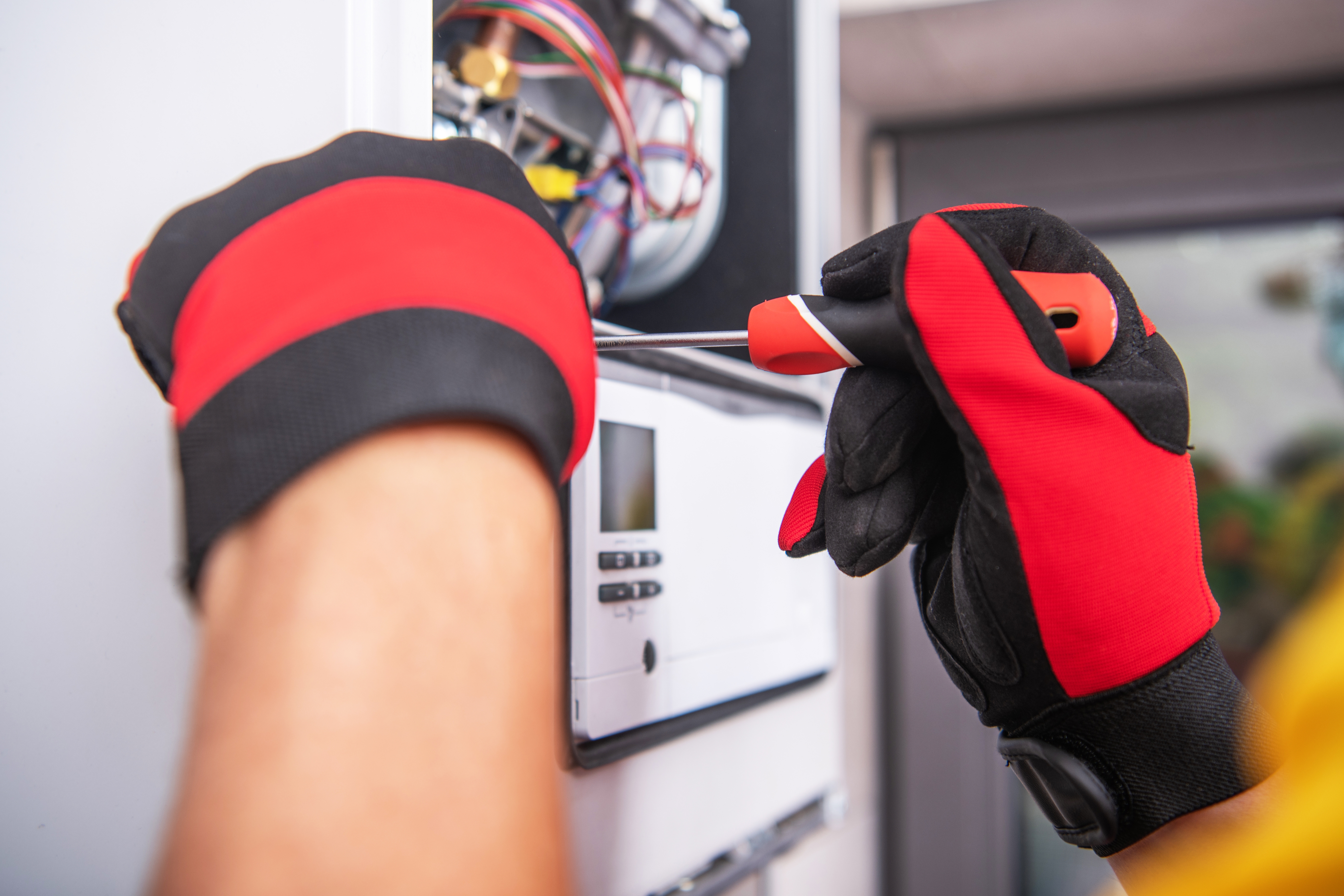
Introduction
Replacing an outdated heating system is a significant decision for homeowners dealing with rising energy bills, uneven temperatures, or frequent breakdowns. Older furnaces often struggle to meet modern heating demands, especially as home layouts, insulation levels, and usage patterns change over time. Planning a furnace installation in Barrington, IL, involves more than choosing a new unit; proper sizing, airflow evaluation, and system compatibility all influence long-term performance.
A well-planned replacement focuses on correcting limitations built into older systems while adapting to current comfort expectations. Insights often shared by Aaron & Trecker Heating & Air Conditioning highlight how installation guidelines shape performance, operating costs, and system lifespan through real-world experience. Addressing these factors early helps homeowners avoid recurring issues that commonly appear after rushed or poorly matched replacements.
Costs, Steps & Mistakes in Furnace Replacement
1. Evaluating the Limits of an Aging Furnace
Outdated furnaces often exhibit reduced output, longer run cycles, and inconsistent heating across rooms. These symptoms usually point to internal wear, declining efficiency, or outdated control designs. Before replacement, evaluating these limits helps determine whether continued repairs are practical or if replacement offers better long-term value.
Older systems may also lack modern safety controls or efficient heat exchangers. Even when furnace repair in Long Grove, IL, resolves short-term issues, repeated service calls can signal deeper system limitations. Recognizing these constraints early supports smarter replacement planning rather than repeated fixes that deliver diminishing returns.
2. Proper System Sizing and Heat Load Assessment
Correct sizing is one of the most important steps in furnace replacement. Systems that are too large may cycle frequently, while undersized units struggle to maintain comfortable temperatures. A proper heat load assessment considers square footage, insulation quality, window placement, and local climate conditions.
This evaluation helps match furnace output to actual heating demand rather than relying on outdated equipment size. Accurate sizing improves comfort, stabilizes temperature control, and reduces unnecessary strain on system components. Thoughtful sizing also supports quieter operation and steadier performance during peak heating periods.
3. Ductwork Compatibility and Airflow Balance
Existing ductwork plays a major role in how a new furnace performs. Aging ducts may have leaks, restrictions, or poor layout designs that limit airflow. Addressing these issues during installation improves heat distribution and reduces energy loss throughout the home.
Airflow balance also affects system longevity. Restricted ducts force the furnace to work harder, increasing wear on blowers and heat exchangers. Evaluating and correcting duct conditions during furnace installation near Lake Zurich, IL, helps create even heating and prevents performance issues after installation is complete.
4. Venting, Clearance, and Safety Considerations
Modern furnaces often use different venting methods than older models. Changes in exhaust temperature, moisture content, and airflow require proper venting design to prevent condensation or backdraft issues. Clearance requirements around the unit also support safe operation and routine servicing access.
Ignoring venting and clearance guidelines can pose safety risks and reduce system performance. Proper planning accounts for gas supply, electrical connections, and ventilation paths that match the new furnace design. Addressing these factors protects both the equipment and the living space.
5. Controls, Thermostats, and Efficiency Features
Updated furnaces rely on advanced control systems and thermostats to regulate heat output more precisely. Compatibility between the furnace and control devices influences temperature stability and daily comfort. Older thermostats may not fully support newer furnace features.
Selecting compatible controls improves response time and reduces unnecessary cycling. These updates help homeowners manage heating schedules more effectively while supporting consistent indoor comfort. Thoughtful control integration also simplifies future adjustments or upgrades.
Upgrade your heating system with confidence and enjoy reliable comfort with us!
Conclusion:
Replacing an outdated furnace requires careful planning that goes beyond selecting a new unit. Evaluating system limits, sizing accurately, improving duct airflow, and addressing venting and controls all influence long-term performance.
Proper installation guidelines help prevent recurring issues that often follow rushed replacements. Homeowners who focus on these details gain more stable heating, fewer service interruptions, and improved system longevity. A well-executed replacement supports comfort, safety, and dependable operation throughout the heating season.
FAQs:
1. How do I know when replacement is better than continued furnace restoration in Barrington?
In Barrington, frequent service calls, uneven heating, rising energy costs, and an aging system often indicate that replacement offers better long-term value than repeated furnace repairs.
2. Can existing ductwork be reused during furnace replacement?
In many cases, ducts can be reused, but they should be inspected for leaks, restrictions, and airflow balance to support proper performance with the new furnace.
CTA:
Plan a smarter upgrade with Aaron & Trecker Heating & Air Conditioning. Call us at 847-540-9585 for guidance endorsed by verified reviews, proven expertise, and a strong commitment to quality service standards.
Efficiency you can feel.
- Common Mistakes Homeowners Make During a Furnace Installation
- How New Furnace Installation Can Reduce Monthly Heating Bills
- How to Prepare Your Home for a New Furnace Installation